
The Impact of Sustainable Tourism on Holiday Rentals in Barcelona: Opportunities and Challenges
Barcelona’s push for lower-impact travel is changing how short-term rentals are designed, operated and regulated. Here is what owners, managers and guests need to know now—and how to prepare for what’s next.

Barcelona has long marketed itself as a forward-looking Mediterranean city. That positioning now includes a clear emphasis on sustainable tourism: low-impact mobility, energy efficiency, circularity and community wellbeing. For holiday rentals in Barcelona, the sustainability lens brings both commercial upside and tighter scrutiny—from platforms, neighbors and authorities alike.
Barcelona 2026: a cautious market snapshot
As of mid‑2026, the city continues to balance tourism with liveability. Authorities have announced intentions to significantly curtail, and in some cases phase out, certain types of short-term tourist apartments over the coming years. The direction of travel is toward fewer, better‑regulated units that create less disturbance and resource strain. Timelines and details are subject to legal processes and may evolve.
- Platforms are giving more visibility to sustainability features (energy performance, low‑carbon transport access, waste sorting) and to verified licenses.
- Periodic drought alerts in Catalonia can trigger water‑saving rules for accommodations; preparedness is now a core operational skill.
- Municipal and regional tourist taxes continue to apply; rates and surcharges have been adjusted in recent years—always check current official guidance before setting prices.
Note: Regulations affecting tourist apartments (HUT) are dynamic. Consult the Barcelona City Council and the Government of Catalonia for the latest official updates.
What “sustainable” means for a holiday rental in Barcelona

- Energy: LED lighting, smart temperature set‑points, efficient HVAC/heat pumps, well‑sealed windows and shading for Mediterranean sun.
- Water: Low‑flow taps and showers, dual‑flush toilets, leak detection, drought‑ready housekeeping (towel policies, pool management where applicable).
- Waste: Clear separation for organic, packaging, glass and residual waste; minimizing single‑use amenities and plastics.
- Mobility: Proximity to metro and bus, safe bike storage, guidance on car‑free routes and airport transfers.
- Community: Quiet hours, guest codes of conduct, support for local businesses and off‑peak, off‑center itineraries.
- Materials & health: Low‑VOC paints, durable textiles, responsible cleaning products and good indoor air quality.
Opportunities: where sustainability pays off
Premium positioning and longer stays
Guests increasingly search for eco‑friendly stays and quiet, authentic neighborhoods. Clear sustainability features combined with good sleep quality often lead to higher ratings and longer average length of stay—especially outside the peak summer months.
Lower operating risk
Efficiency measures reduce exposure to energy and water cost spikes. Noise, waste and traffic plans reduce neighbor conflicts and regulatory complaints—key in central districts like Ciutat Vella and Eixample.
Platform visibility and corporate demand
Major OTAs highlight verified licenses and sustainability badges. Efficient, well‑equipped flats near transit attract remote workers and small corporate teams seeking medium‑length stays.
Future‑proofing through data
Tracking energy, water and complaints builds an evidence base for permits, tenders and partnerships—and supports any future ESG reporting requirements for larger operators.
Challenges: the realities to plan for
Policy uncertainty and licensing
Barcelona and Catalonia continue to refine short‑term rental rules. Some announcements point to substantial reductions in tourist apartments over the next few years. Operators should scenario‑plan for tightening supply, stricter enforcement and shifts toward licensed, mid‑term stays.
CapEx and heritage constraints
Many Eixample and Old Town buildings are historic. Deep retrofits (insulation, external shading, renewables) may face technical or community limits. Phased upgrades and passive measures often bring the best ROI in protected buildings.
Drought and seasonal pressure
Catalonia’s periodic drought alerts can restrict water usage (pools, gardens, laundry). Summer peaks intensify noise, waste and mobility pressure—making prevention and clear guest communication essential.
Data and supplier alignment
To credibly claim sustainable tourism practices, managers need meter data, appliance inventories and housekeeping protocols. Linen services, waste contractors and maintenance teams must be on the same page.

Low‑impact mobility as a selling point
Listings that map walking times to metro, tram and key sights—and that suggest car‑free itineraries—often win bookings from eco‑conscious travelers and families. Consider welcoming guides that recommend neighborhood bakeries, playgrounds, coastal walks and bike rentals to spread footfall away from the most saturated hotspots.
Quick wins vs. deeper retrofits
| Action | Cost level | Complexity | Guest impact | Notes (Barcelona) |
|---|---|---|---|---|
| LEDs, weather‑stripping, smart thermostats | Low | Low | Immediate comfort, lower bills | Great first step in historic flats; minimal permissions |
| Low‑flow showers and taps, leak detectors | Low–Medium | Low | Lower water use without hurting experience | Helps during drought alerts; train housekeeping |
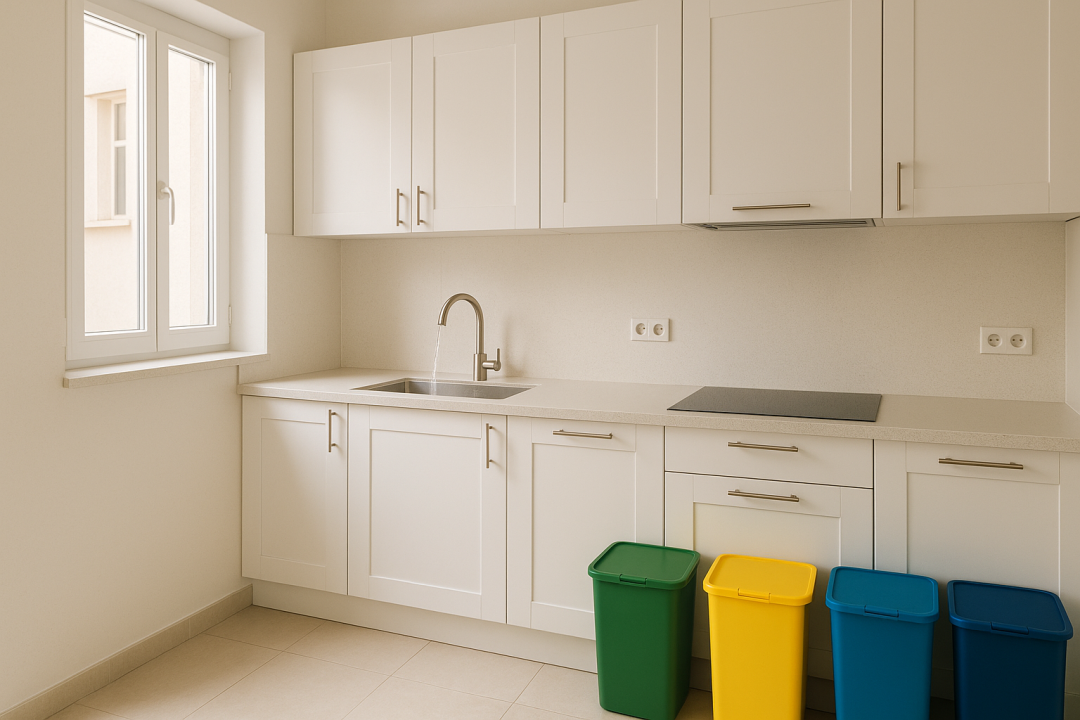
| Waste sorting stations and reusable amenities | Low | Low | Cleaner spaces, fewer complaints | Align with city’s collection streams |
| External shading, glazing upgrades | Medium | Medium | Better sleep and summer comfort | Check community rules for façades |
| Heat‑pump hot water / HVAC replacement | Medium–High | Medium | Major efficiency gains | Plan for permits and electrical capacity |
| On‑site solar (where possible) | High | High | Strong savings and messaging | Often limited in shared/historic buildings |
Water and waste: simple systems, big impact
Set up color‑coded bins that match the city’s collection streams and place them where waste is generated (kitchen, utility). Use clear, friendly signage in multiple languages and icons. For water, prioritize aerators, low‑flow showers and washer settings; equip staff with drought playbooks so operations can switch modes quickly if restrictions return.
For official drought updates, monitor the Catalan Water Agency.
A practical roadmap: 90 / 180 / 365 days
Next 90 days
- Inventory appliances; set energy and water baselines.
- Swap LEDs; add aerators and leak detectors.
- Draft guest conduct and quiet‑hours policy.
- Highlight transit and bike options in listings.
Next 180 days
- Upgrade HVAC controls; improve window sealing.
- Install noise sensors (privacy‑safe) in common areas.
- Train housekeeping for low‑water, low‑chemical routines.
- Start reporting KPIs on listings and your website.
Next 365 days
- Evaluate heat‑pump water heaters or HVAC replacement.
- Assess shading and glazing where allowed.
- Pursue a credible label (e.g., Biosphere Certified, EU Ecolabel) where feasible.
- Engage your community association with data and commitments.
Policy and compliance: read the room
Barcelona’s regulatory environment for short‑term tourist apartments is among Europe’s strictest. Recent years have seen stepped‑up enforcement and political commitments to reduce the number of tourist flats. The specifics continue to evolve through legal and administrative processes. As a rule of thumb:
- Operate only with a valid license and display it clearly in listings. Keep documentation ready for inspections.
- Monitor official channels for updates: the City Council and Government of Catalonia.
- Align with building communities (comunitats de propietaris). Noise, waste and elevator etiquette matter as much as energy performance.
- Price transparently with current tourist taxes included at checkout. Check updated rates before each season.
This article does not constitute legal advice. For case‑specific guidance, consult a local attorney or licensed property manager.
Measure, verify, communicate
Guests and regulators trust numbers. Start with monthly electricity and water per occupied night, noise incidents per 1,000 stays, and waste separation rates. Choose one recognized framework (e.g., a tourism ecolabel or ISO 14001 for larger operators) and keep messaging simple: what you changed, what improved, and what’s next.

- Be specific: “We reduced water per night by X%” is stronger than generic claims.
- Show the neighborhood: Recommend nearby markets and artisans to spread benefits locally.
- Train your team: Housekeeping and check‑in staff are your sustainability ambassadors.
Frequently asked questions
Are short‑term holiday rentals legal in Barcelona in 2026?
Some are, provided they hold a valid license and comply with current rules. The city has signaled plans to significantly reduce tourist apartments over the coming years, but timelines and details remain subject to legal and political processes. Always verify the latest status with official sources.
Do sustainable features change my occupancy or ADR?
They can. Efficient, quiet, well‑located flats with credible sustainability steps tend to rank higher and convert better, particularly for families and medium‑stay guests. Results vary by location, season and listing quality.
Which label should I pursue?
Choose a recognized, auditable scheme that fits your scale (e.g., Biosphere Certified for tourism, EU Ecolabel for accommodations, or ISO 14001 for larger portfolios). Avoid superficial badges; focus on measurable gains.
How do drought alerts affect operations?
They can limit water for pools, gardens or cleaning cycles. Prepare alternative housekeeping protocols, guest messaging and maintenance schedules. Track updates from the Catalan Water Agency.
What KPIs should a manager track?
Start with electricity and water per occupied night, waste separation rate, guest noise/complaint incidents, and percent of guests using public transport (based on optional surveys). Share progress quarterly.
Ready to make your Barcelona rental more sustainable?
Begin with low‑cost wins, measure results, then scale. If you manage multiple units, consider a portfolio‑level plan with verified reporting.
Request a sustainability checklist






















Comments (0)