 Written by Dora Rentals |Updated: 07-06-2026 | 0 Comments
Owner Playbook 2026
How to Maximize the Profitability of Your Holiday Rental in Barcelona: Current Strategies and Tips
Barcelona remains a high-demand city—but success now depends on sharper pricing, impeccable operations, and strict compliance. Here’s a practical, up-to-date guide to grow occupancy, ADR and RevPAR while minimizing risk.
Regulatory note (Barcelona, 2026)
Short-term tourist rentals in Barcelona are tightly regulated. A valid HUT license is typically required for stays under one month. The City Council announced in 2024 its intention to progressively reduce/withdraw tourist-apartment licenses by 2028, a process subject to legal and political developments. Always verify the latest rules with official sources such as the Ajuntament de Barcelona and the Generalitat de Catalunya. Consider mid-term rentals (typically 31+ nights) if you do not hold a valid HUT license.
Understand today’s demand in Barcelona
Tourism in Barcelona is resilient, supported by air connectivity, business travel, and a year-round calendar of events—such as major trade fairs (e.g., technology congresses), music festivals, sports, and cruise traffic. Demand concentrates in central and beach-adjacent areas, yet licensing, zoning and neighborhood rules narrow where holiday rentals in Barcelona can legally operate.
- Micro-location matters: Proximity to metro lines (L1, L3, L4), beach (Barceloneta–Poblenou), and business hubs (22@) can lift ADR if your product matches the audience.
- Seasonality: Summer peaks, spring/autumn shoulder months, and event-driven spikes (trade fairs, festivals). Winter can be softer except during key events.
- Traveler segments: Couples and families (leisure), professionals for short projects, and—if pivoting to mid-term—remote workers, students in masters/MBAs, and corporate relocations.
Key KPIs to track
| Metric | What it tells you | How to improve it |
|---|---|---|
| Occupancy rate | % of nights sold over total available nights | Adjust minimum stays, last-minute discounts, channel mix |
| ADR (Average Daily Rate) | Average price per sold night | Segmentation, premium amenities, event-based pricing |
| RevPAR (Revenue per Available Room) | Revenue efficiency across occupancy and rate | Dynamic pricing, orphan-night capture, length-of-stay rules |
| LOS (Length of Stay) | Average nights per booking | Fences for weekends/events, weekly/monthly discounting |
| Net operating margin | Profitability after variable/fixed costs | Lean operations, energy efficiency, smart outsourcing |
Compliance checklist (short stays)
- Valid HUT license visibly displayed in listings
- Guest registration where required
- Tourist tax collection and remittance, if applicable
- Community rules, quiet hours, occupancy limits
- Energy certificate, safety gear (e.g., smoke detector)
- Use official sources: Catalonia’s Tourism Register
Dynamic pricing for a regulated, event-driven city
In Barcelona, static rates leave money on the table. Use dynamic pricing to respond to demand, lead times, competitor behavior and citywide events. Combine rules-based logic with machine-learning pricing tools when possible.
- Lead-time bands: Higher rates for last available weekends; early-bird promos midweek.
- LOS pricing: Offer weekly/monthly discounts to push longer stays and reduce costs per night.
- Orphan-night tactics: Fill single gaps with flexible minimum stays and modest discounts.
- Event fences: Set minimum stays and stricter cancel policies over major fairs or festivals.
Review your calendar weekly. Flag anomalies: zero pickup on popular dates, overly long gaps, or sudden rate undercuts by peers. Your goal: stable, rising RevPAR with healthy margins.
Smart operations that protect margin
Operational discipline is the backbone of profitability. Delays in cleaning, key handovers or support erode reviews—and higher ratings are correlated with stronger pricing power.
- Keyless entry: Smart locks reduce check-in friction and staff costs. Pair with clear self check-in guides.
- Hotel-grade cleaning: Standardize checklists, color-coded linens, and photo proof after each turnover.
- Energy control: Smart thermostats and window sensors curb waste while keeping comfort.
- Noise monitoring: Use legal, privacy-compliant decibel sensors (no audio) to prevent parties and protect neighbors.
- Messaging SLAs: Aim to answer within minutes via integrated inbox (OTA + WhatsApp) for higher conversion.
Channel mix and direct bookings
Relying on a single OTA concentrates risk. Build a diversified strategy to reduce commissions and capture repeat guests.
- Channel manager + PMS: Keep calendars synced across Airbnb, Booking.com, Vrbo and meta channels (e.g., Google Vacation Rentals) to prevent double bookings.
- Direct website: Fast mobile UX, trustworthy content, and instant booking with secure payments. Offer small perks (early check-in if available) to encourage direct reservations.
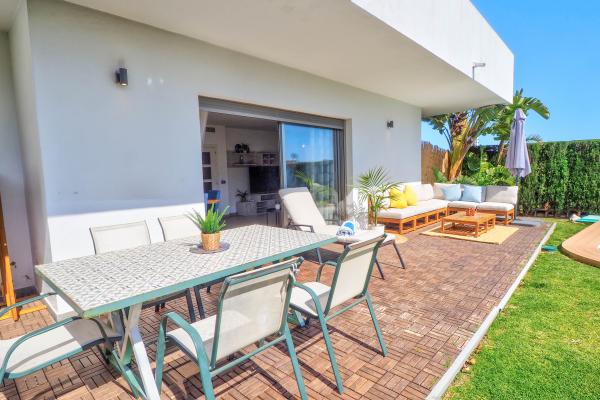
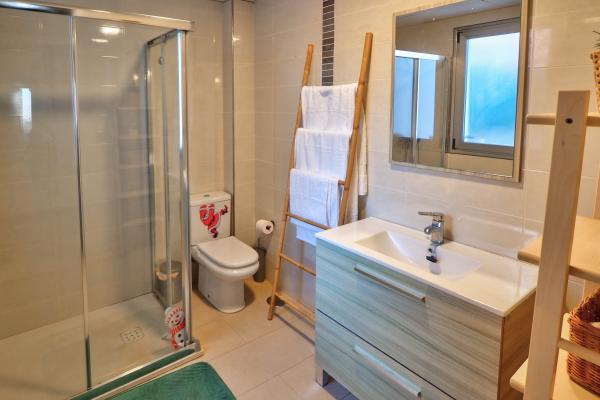
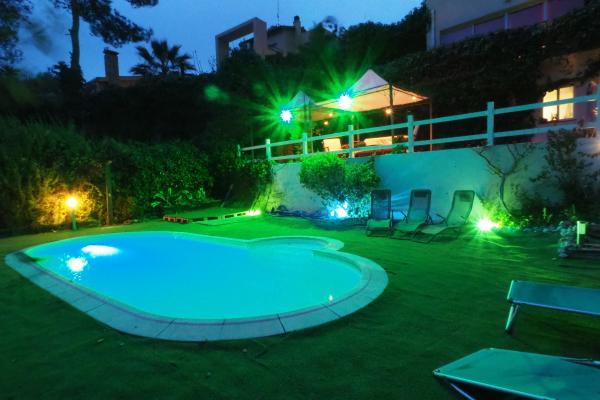
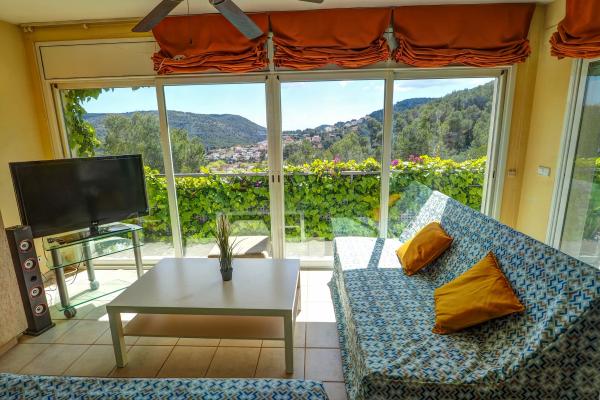
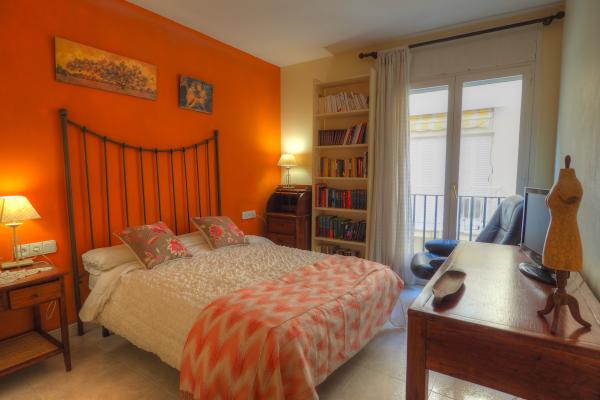
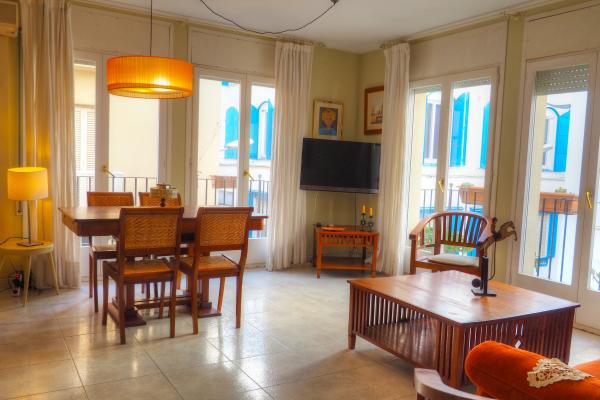
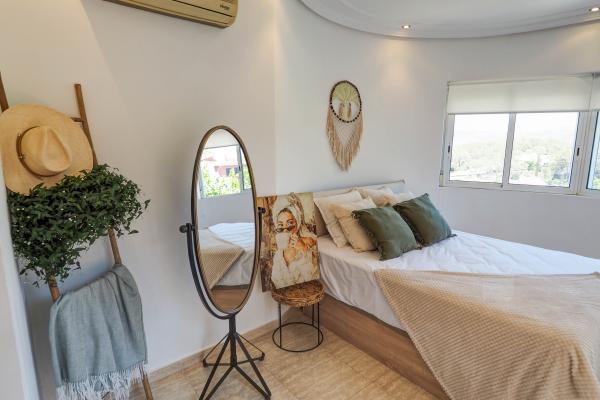
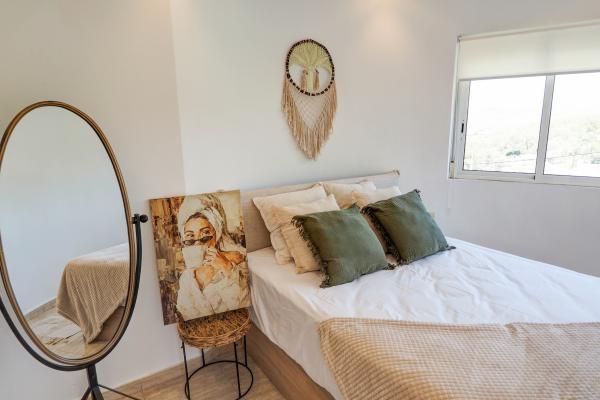
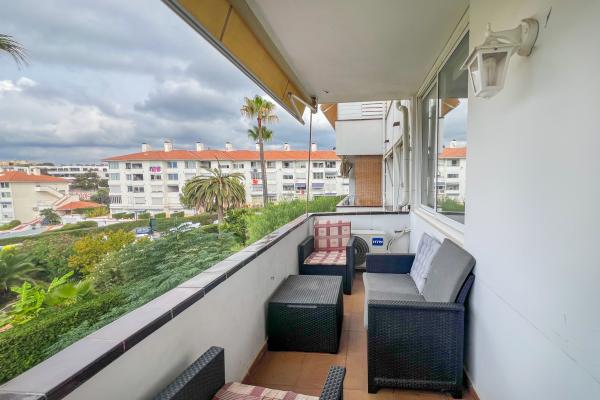
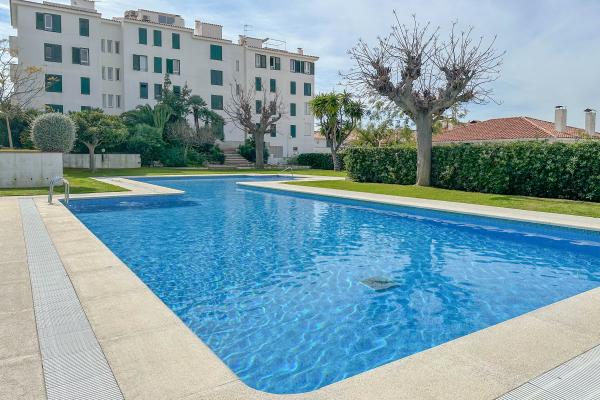
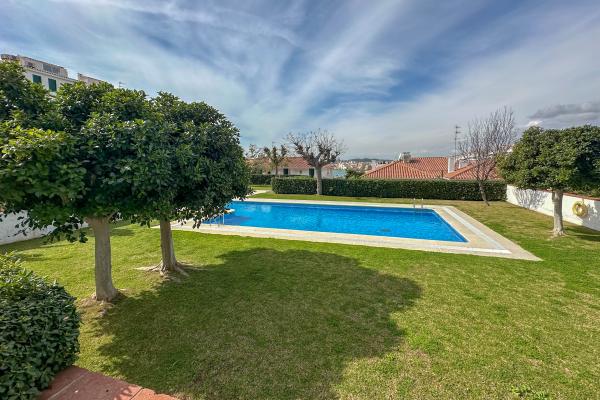
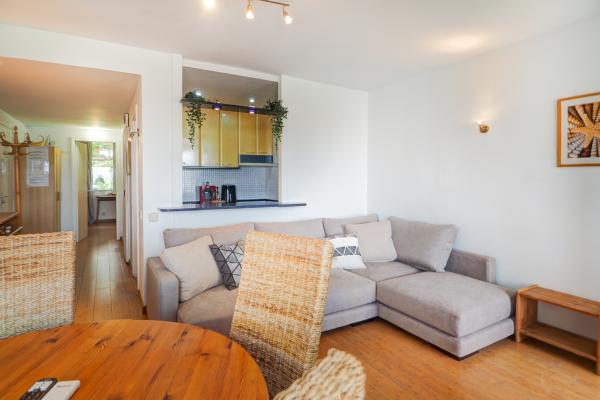
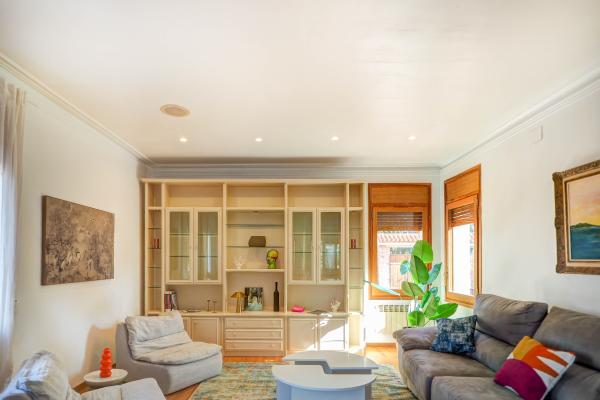
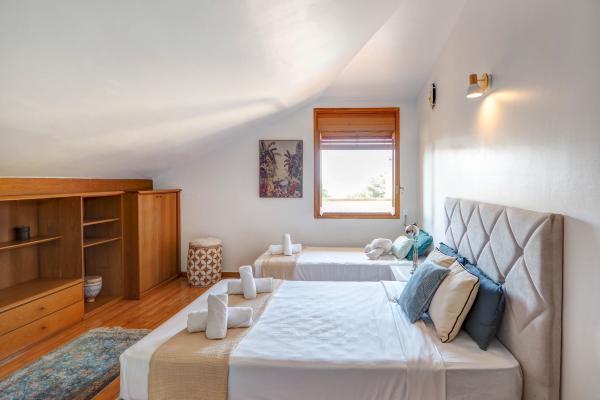
- Listing optimization: Professional photography, first 5 photos storytelling, and A/B test titles. Highlight amenities that matter in Barcelona: reliable AC, high-speed Wi‑Fi, blackout curtains, ergonomic workstation.
- Review engine: Proactively request feedback; respond to negatives with solutions. Ratings drive visibility and rate ceilings.
- Local partnerships: Parking, gyms, co-working, or curated experiences. Negotiate commissions or cross-promotions.
Conversion quick wins
- Enable Instant Book when feasible
- Clear house rules; set expectations on quiet hours
- “Book with confidence” section: safety, cleanliness, licenses
- Availability gaps banner with modest discount
- Flexible cancellation tiers outside peak periods
No HUT? Pivot to mid-term rentals
If you don’t hold a HUT license, operating as a short-stay tourist rental can expose you to substantial penalties. A legal, profitable alternative is the mid-term rental (typically 31+ nights), serving remote workers, MBA/masters students, and corporate assignments.
- Product-market fit: Fast Wi‑Fi, proper desk, ergonomic chair, good lighting, and quiet bedrooms.
- Monthly pricing: Utilities included, capped; professional invoices; cleaning every 2–3 weeks.
- Flexible terms: Deposits or damage waivers; clear early-termination clauses.
- Targeted distribution: Corporate housing portals, universities, relocation agencies, and your direct site.
- Legal alignment: Follow residential rental rules; verify local requirements with official sources.
Guest experience that supports higher ADR
In competitive districts (Eixample, Barceloneta–Poblenou, Gràcia), differentiation comes from design, sleep quality, and thoughtful local touches. High review scores unlock pricing headroom and better conversion.
- Sleep kit: Quality mattress, pillows, blackout curtains, and quiet hours info.
- Connectivity: 300–600 Mbps fiber where available; Wi‑Fi tested in all rooms.
- Welcome ritual: Refillable toiletries, coffee/tea setup, and a digital guidebook with neighborhood tips.
- Sustainability: Recycling instructions and eco consumables; communicate impact without greenwashing.
Risk management and community relations
Protecting your asset—and being a good neighbor—is non-negotiable in Barcelona’s regulatory climate.
- Specialist insurance: Short-let or mid-term policies with liability, contents, and loss-of-income riders.
- KYC & screening: ID verification, payment checks, and red-flag heuristics to prevent fraud and parties.
- Neighbor protocol: 24/7 hotline, clear escalation flow, and proactive communication of house rules.
- Transparent rules: Display license number (if applicable), occupancy cap, and quiet hours in listing + apartment.
Cost control without hurting reviews
- Bulk purchase linens/consumables; standardize SKUs and par levels.
- LED lighting, smart AC schedules, draft proofing to lower utilities.
- Outsource peak cleanings; keep in-house core for quality control.
- Monthly P&L review by listing; cut underperforming channels or fees.
- Get professional tax advice; rules evolve and vary by circumstance.
90-day action plan to lift profitability
Days 1–30
- Audit legal status (HUT, mid-term viability) and update listing license info
- Professional photography; rewrite title + first paragraph to nail USP
- Install smart lock and standardize cleaning checklist
- Implement dynamic pricing tool; set event fences and LOS rules
Days 31–60
- Launch direct booking page with secure checkout and FAQs
- Partner with a local parking or gym; add to listing benefits
- Introduce mid-week gap offers and monthly discounts (if mid-term)
- Set up review prompts and response SOPs
Days 61–90
- Optimize channel mix; pause low-ROI sources
- Energy tune-up: smart thermostat schedules and insulation fixes
- Monthly P&L by listing; benchmark ADR/RevPAR vs. comps
- Refine guest guidebook and neighborhood recommendations
Success metrics
- +10–20% search-to-booking conversion on major OTAs
- Higher review average (target ≥ 4.7/5) and response speed
- Improved RevPAR vs. last quarter (seasonally adjusted)
- Lower utility cost per occupied night
Note: Improvement ranges are indicative and depend on product, seasonality and compliance status.
FAQs
What months are most profitable in Barcelona?
Summer typically delivers strong leisure demand, with spring and early autumn providing healthy shoulder seasons. Business events can create spikes in late winter and throughout the year. Monitor your area’s pickup patterns rather than relying on generic calendars.
Do I need a license to rent short term?
For tourist stays (typically under one month), a HUT license is generally required in Barcelona, and enforcement is strict. Verify current rules with the City Council and the Tourism Register of Catalonia. If you don’t have a license, consider mid-term rentals aligned with residential regulations.
Which amenities move the needle on ADR?
In Barcelona’s climate and urban setting: reliable AC and heating, fast Wi‑Fi, ergonomic desk, blackout curtains, soundproofing where possible, stocked kitchen, and clear self check-in. Families value cribs and high chairs; beach areas benefit from umbrellas and beach towels.
Need a second opinion?
Arrange a local audit covering compliance, pricing and operations. A two-hour review can often reveal quick wins and de‑risk your strategy.
Request a consultationThis article is for information purposes only and does not constitute legal, tax or financial advice. Regulations and tax rules may change; always consult official sources and qualified advisors before making decisions.
Comments
Comments (0)Help us improve!
Tourism, Holiday Rentals and Real Estate
Discover the Dora Rentals guides
Do you want to optimize the management of properties and online stores in Barcelona?